


Table of Contents
Homeowners searching for a kitchen remodeler, roofing contractor, or bathroom renovation company often begin with a practical question: Who can do the work in my area?
Google helps them discover local contractors, compare services, read customer reviews, and decide whom to contact. For home improvement companies, appearing in those searches creates an opportunity to connect with homeowners who are already considering a project.
But simply having a website isn’t enough.
A company might perform excellent work and have years of experience, yet struggle to attract inquiries because its Google Business Profile is incomplete, its service pages lack useful information, or its website doesn’t clearly explain where it operates.
South Carolina home improvement SEO helps address these problems by making a contractor easier to discover, evaluate, and contact.
Whether your company serves Charleston, Columbia, Greenville, Myrtle Beach, or a smaller South Carolina community, the goal is the same: connect your services with the homeowners who need them.
1. Understand How Homeowners Search for Home Improvement Services
Home improvement searches often reflect the stage of a homeowner’s project.
Someone researching kitchen remodeling costs may be exploring possibilities. Another homeowner searching for a bathroom remodeling contractor in Greenville may be ready to request an estimate.
These searches require different types of information.
For example:
| Homeowner search | Likely information needed |
| Kitchen remodeling ideas | Inspiration and project options |
| Bathroom remodeling cost in Charleston | Budget and pricing guidance |
| Roofing contractor near me | Nearby providers and availability |
| Home renovation company in Columbia | Services, experience, and credibility |
A successful SEO strategy accounts for these differences rather than treating every visitor as someone ready to buy.
Educational articles can help homeowners understand their options. Service pages explain what a contractor offers. Location pages establish geographic relevance, while project galleries and reviews help prospective customers evaluate the company.
Together, these resources support the homeowner throughout the decision-making process.
The objective isn’t simply to attract more website visitors. It’s to attract people whose projects match the company’s services, geographic coverage, and capabilities.
2. Improve Your Google Business Profile to Reach Nearby Homeowners
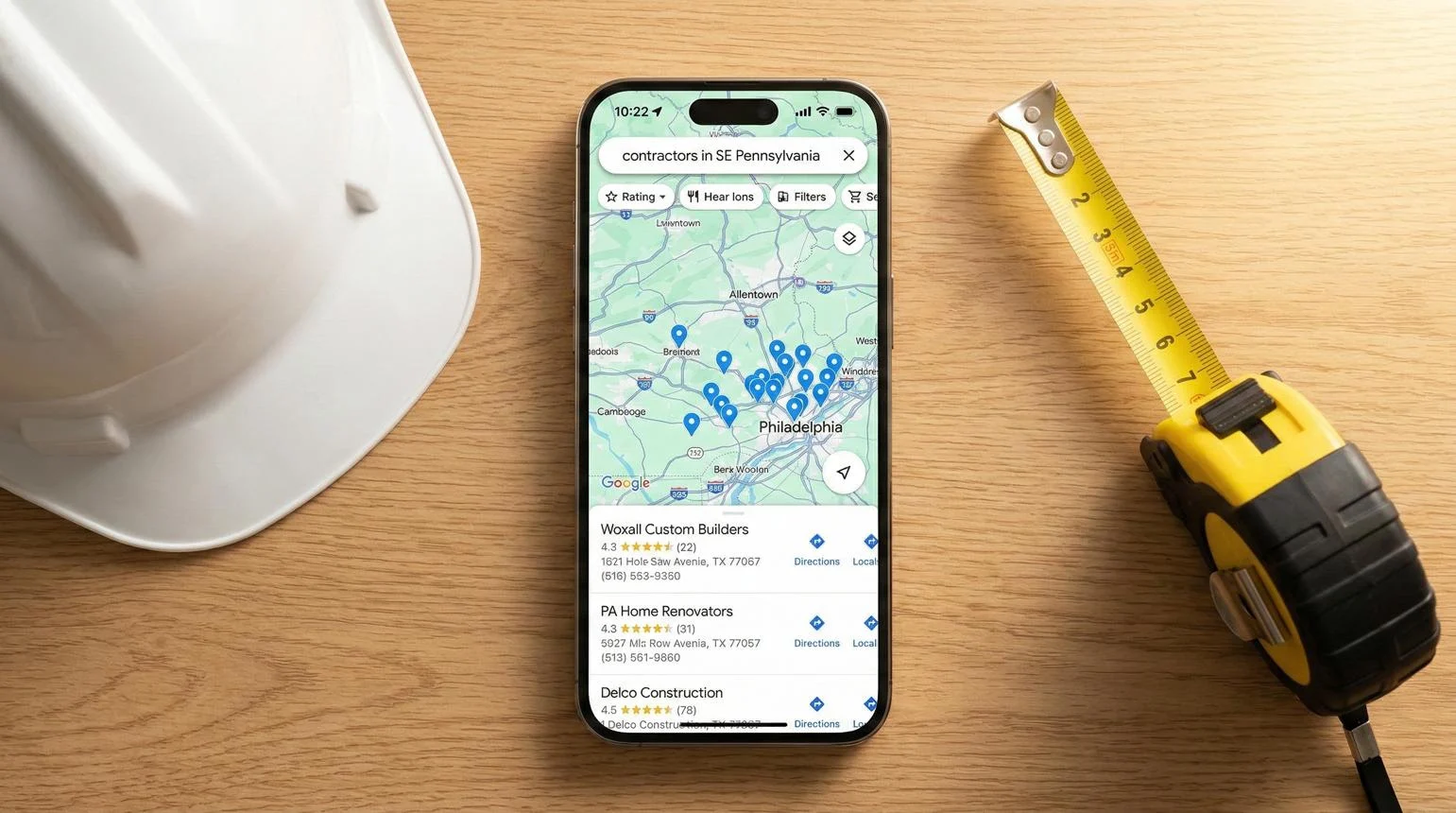
A Google Business Profile is an important part of local SEO for home improvement companies.
It allows eligible businesses to display information in Google Search and Maps, including services, business hours, photos, customer reviews, and contact details.
Google explains that local search rankings are primarily influenced by relevance, distance, and prominence. Complete business information helps Google understand what a company offers, while reviews and links can contribute to its prominence.
For a remodeling company, that means the profile should accurately represent its services and operating area.
Choose the Right Business Categories
A company specializing in kitchen remodeling should select categories that accurately describe its business rather than choosing unrelated categories simply to appear in additional searches.
The primary category should reflect the company’s core activity. Additional categories can describe other legitimate services when appropriate.
A roofing contractor, for example, shouldn’t represent itself as a general remodeling company unless it genuinely provides those services.
Define Your Service Area Accurately
Many home improvement contractors travel to customers rather than operating a showroom.
Google allows eligible service-area businesses to specify the communities they serve. Businesses that don’t receive customers at their address should hide that address from their public profile.
A company shouldn’t create additional profiles for cities where it has no legitimate operating location.
A contractor based in Charleston that also serves Mount Pleasant, Summerville, and North Charleston can identify those actual service areas without pretending to operate a separate office in each community.
Importantly, adding a city to a service-area list doesn’t guarantee prominent rankings there. Distance remains a factor in Google’s local results.
Show Homeowners What Your Company Can Do
Home improvement is a visual industry.
A prospective customer considering a kitchen renovation wants to see examples of completed kitchens. Someone planning a bathroom remodel may want to evaluate tile work, fixtures, layouts, and finishes.
A useful Google Business Profile can include:
- Clear photographs of completed projects.
- Before-and-after images, when available.
- Accurate service descriptions.
- Current business hours and contact information.
- Genuine customer reviews and professional responses.
Use actual project photographs whenever possible. They give homeowners evidence of the work your company performs rather than relying entirely on promotional descriptions.
3. Build Service Pages That Match What Homeowners Need
A homepage cannot adequately explain every service a home improvement company offers.
A contractor providing kitchen remodeling, bathroom renovations, home additions, and exterior improvements serves customers with different needs.
Each substantial service deserves clear, useful website coverage.
Consider a company that specializes in both kitchen and bathroom remodeling.
Its kitchen remodeling page might explain cabinet replacement, countertop options, layout changes, and the company’s project process.
Its bathroom remodeling page might address shower conversions, accessibility improvements, tile installation, and fixture replacement.
These pages help homeowners find information relevant to their projects while giving search engines a clearer understanding of the company’s services.
What Makes a Strong Service Page?
A useful service page should answer the questions a homeowner would reasonably ask before contacting a contractor.
These may include what the service involves, which projects the company handles, what affects the cost, how the process works, and which areas the company serves.
Project photographs, relevant credentials, and verified customer testimonials can provide additional context.
The page should also offer a straightforward next step, such as requesting an estimate or scheduling a consultation.
Avoid creating numerous pages that repeat the same generic description with different service names. Each page should provide information specific to the work being discussed.
4. Create Location Pages That Demonstrate Genuine Local Relevance
South Carolina home improvement companies frequently serve multiple communities.
A contractor based in Greenville might also work in Greer, Simpsonville, and Travelers Rest. A Charleston-area remodeling company may serve Mount Pleasant, Summerville, and nearby communities.
Location-specific website pages can help explain that geographic coverage.
However, simply copying a service page and replacing the city name doesn’t create meaningful local content.
Google identifies substantially similar pages created to capture geographic search queries and funnel visitors elsewhere as a potential form of doorway abuse.
A useful location page needs a legitimate purpose.
For example, a remodeling company serving Mount Pleasant could create a page that explains its actual services in that community, features completed local projects when available, and provides information relevant to homeowners there.
A company serving Columbia could discuss its renovation services, provide genuine examples of local work, and explain how homeowners can request an estimate.
The distinction is whether the page helps someone understand the company’s actual presence and services in that location.
Don’t Confuse Statewide Visibility With Statewide Google Maps Rankings
A company can develop website content targeting several South Carolina markets, but that doesn’t mean its Google Business Profile will appear prominently in Maps throughout the state.
Google considers distance when determining local results.
A contractor operating from Charleston may be able to develop useful organic search content for another market it genuinely serves, but its Charleston business location doesn’t automatically provide the same Maps visibility in Greenville.
For companies expanding across South Carolina, the strategy should distinguish between organic website visibility and location-dependent Google Maps visibility.
That distinction helps establish realistic expectations and prevents investment in misleading location tactics.
5. Use Customer Reviews to Build Confidence Before the First Call
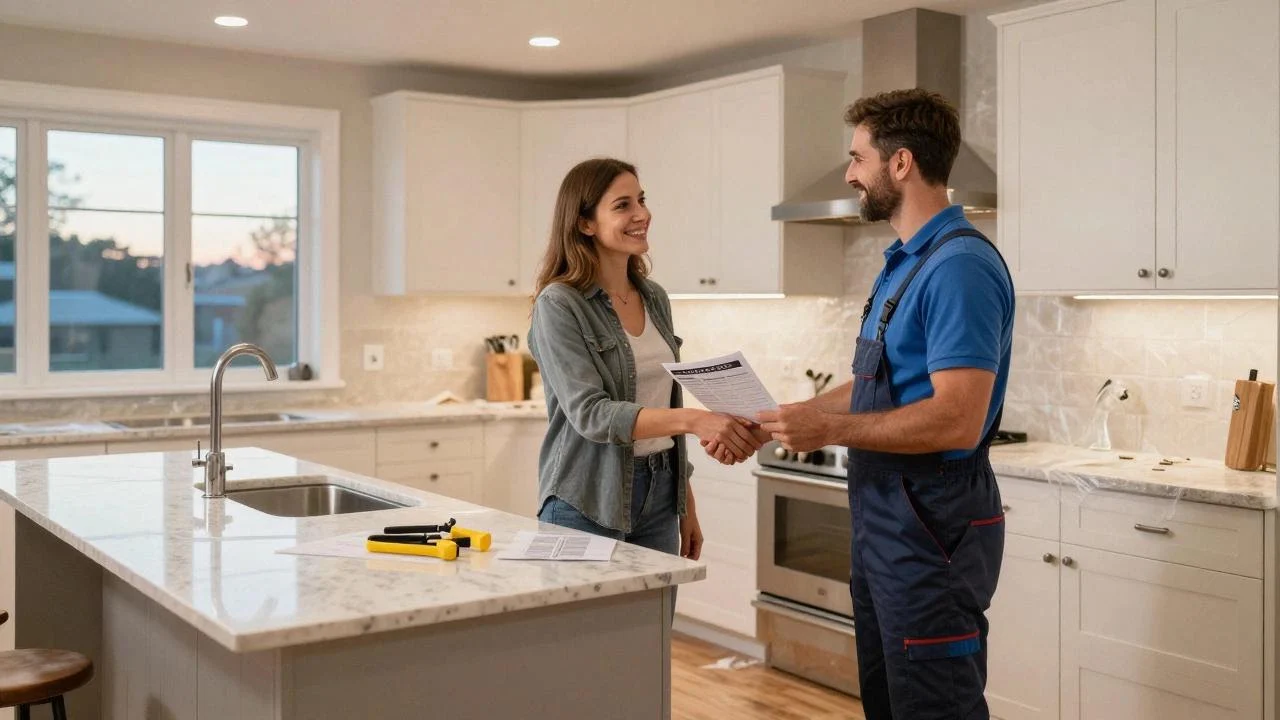
Hiring a home improvement contractor involves an important financial decision.
Homeowners may be inviting workers into their homes, committing substantial funds, and depending on the contractor to complete a project correctly.
Customer reviews can help prospective customers evaluate that decision.
Google also identifies review quantity and positive ratings as factors that can contribute to local ranking.
A review strategy should therefore support both visibility and customer confidence.
Make Review Requests Part of Your Project Process
A contractor can establish a consistent process for requesting feedback after completing a project.
For example, once a kitchen renovation is finished and the customer has had an opportunity to inspect the work, the company can send a follow-up message inviting an honest Google review.
The request should be neutral and available to customers regardless of whether their experience was positive or negative.
Avoid purchasing reviews, offering prohibited incentives, or asking employees to manufacture customer feedback.
Respond Professionally to Customer Feedback
A thoughtful response demonstrates that the company pays attention to its customers.
When a customer praises a completed bathroom renovation, a brief response can acknowledge the feedback and thank them for choosing the company.
When a customer raises a concern, the response should remain professional and avoid revealing private project information.
A contractor doesn’t need to argue publicly to demonstrate accountability.
A consistent, respectful approach to reviews helps prospective customers understand how the business communicates.
6. Publish Content That Answers Questions Before Homeowners Request an Estimate
Not every homeowner is ready to contact a contractor immediately.
Someone planning a renovation may spend time researching materials, costs, project timelines, and potential complications.
Educational content gives home improvement companies an opportunity to participate in that research process.
Consider a kitchen remodeling company.
A homeowner might search for information about cabinet refacing versus replacement, the cost of a kitchen renovation, or whether a kitchen layout can be changed.
An article addressing one of these questions can provide practical guidance while introducing the company’s relevant expertise.
Focus on Questions Connected to Your Services
A roofing contractor might publish articles about recognizing roof damage, understanding replacement options, or preparing for a roof inspection.
A bathroom remodeling company could explain walk-in shower options, bathroom accessibility improvements, or factors that affect renovation costs.
A general remodeling company might discuss how to plan a home addition or what homeowners should consider before beginning a major renovation.
These topics are valuable because they address decisions prospective customers are already trying to make.
The content should provide useful answers rather than withholding basic information until someone contacts the business.
Connect Educational Content to Relevant Services
A blog post about kitchen remodeling costs can naturally direct readers to the company’s kitchen remodeling service page.
An article about bathroom accessibility can link to a page describing the company’s accessible bathroom renovation services.
These internal links help visitors continue researching without starting over.
They also help search engines discover related website content and understand how pages connect. Google’s Search Essentials recommend using crawlable links and descriptive language that reflects what people search for.
The link should make sense to the reader. Adding links solely to repeat keywords can make an article less useful.
7. Build Local Authority Through Genuine South Carolina Relationships
Local SEO extends beyond a company’s own website.
Relevant mentions and links from other websites can help people discover a contractor and contribute to its online reputation.
Google identifies links from other websites as one of the signals associated with local prominence.
For home improvement companies, opportunities may arise through existing professional relationships.
A contractor might be featured by a local homebuilding organization, included in a legitimate business directory, or mentioned by a supplier following a collaborative project.
A community publication may also feature a renovation project that has a genuine local story.
These opportunities should reflect real business activity.
Prioritize Relevance Over Link Quantity
A relevant mention from a local organization can provide value beyond SEO if it introduces the company to homeowners or industry partners.
By contrast, purchasing large quantities of unrelated links simply to manipulate rankings creates unnecessary risk.
Google’s spam policies prohibit certain manipulative link-building practices.
A sustainable approach focuses on legitimate business relationships, accurate directory information, useful project stories, and relevant professional associations.
The objective is to develop an online presence that reflects the company’s actual reputation and activity.
8. Make Your Website Easy to Use and Easy to Contact
Search visibility creates an opportunity, but the website must help turn that opportunity into an inquiry.
Imagine a homeowner searching for a bathroom remodeling contractor on a mobile phone.
They find a company, open its website, and want to know whether it serves their neighborhood and can handle the project.
If the website is difficult to navigate, hides its contact information, or provides little detail about its services, the homeowner may continue searching.
A contractor’s website should make the next step clear.
Prioritize the Mobile Experience
Review the website on an actual phone.
Can visitors read the text comfortably? Do project photographs display properly? Is the phone number easy to find? Can someone complete the estimate request form without difficulty?
Check that important pages load correctly and that navigation works without unnecessary obstacles.
Technical improvements should support the customer’s experience rather than becoming an isolated SEO exercise.
Give Homeowners a Clear Reason to Contact You
A service page should explain what the company offers and provide an appropriate call-to-action.
For example:
“Planning a kitchen renovation in the Charleston area? Contact our team to discuss your project and request an estimate.”
The message identifies the service, establishes the geographic context, and explains the next step.
Avoid promising immediate availability, free estimates, financing, or guaranteed results unless the company actually provides them.
Credibility depends on matching the website’s claims to the business’s real capabilities.
9. Measure Qualified Leads, Not Just Search Rankings
Improving rankings can be useful, but rankings alone don’t show whether an SEO campaign is helping a home improvement business grow.
A contractor needs to understand whether search visibility is producing relevant inquiries.
A kitchen remodeling company, for example, may receive more website traffic without receiving additional requests for kitchen renovation estimates.
That distinction matters.
Useful performance measures include organic search visits to important service pages, Google Business Profile interactions, phone calls, estimate requests, and inquiries associated with specific services.
Where reliable tracking is available, the company can also evaluate how many inquiries become consultations, proposals, and completed projects.
Connect Marketing Performance to Business Results
Consider two hypothetical inquiries.
One comes from a homeowner outside the contractor’s service area requesting a service the company doesn’t provide.
The other comes from a homeowner within its service area planning a renovation that matches the company’s capabilities.
Both might appear as conversions in a basic website report, but they don’t have the same business value.
Tracking lead quality helps a contractor understand which services, pages, and geographic markets are generating worthwhile opportunities.
It also helps identify problems that rankings alone may not reveal.
If a service page attracts visitors but produces few inquiries, the business may need to examine its content, project examples, contact process, or alignment with search intent.
SEO performance should ultimately be evaluated in the context of the company’s business objectives.
10. Build a South Carolina SEO Strategy Around Your Actual Business
A home improvement company doesn’t need to pursue every service, keyword, or South Carolina city simultaneously.
The starting point should be the work the company wants to attract.
A contractor specializing in high-value kitchen renovations may benefit from a different content strategy than a company focused on smaller repair projects.
Likewise, a business serving one metropolitan area has different geographic requirements from a contractor operating several legitimate locations across the state.
An effective strategy begins by identifying priority services, realistic service areas, and the questions prospective customers ask.
From there, the company can improve its Google Business Profile, develop useful service and location pages, publish educational content, and strengthen its online reputation.
These efforts should work together rather than operate as disconnected marketing activities.
The result is a website and local search presence designed around the people the company wants to serve.
Frequently Asked Questions
How long does SEO take to work for a home improvement company?
There is no guaranteed timeline. Results depend on the website’s existing condition, competition, geographic market, and work being performed. Some improvements may become visible sooner than others, while developing broader organic visibility can require sustained effort.
Does a home improvement company need a Google Business Profile?
An eligible business can use a Google Business Profile to help customers find its information through Google Search and Maps. It is particularly relevant for contractors serving local homeowners, although a profile alone doesn’t guarantee prominent rankings or customer inquiries.
Can one contractor rank in multiple South Carolina cities?
A contractor can develop organic search visibility for multiple communities it genuinely serves. Google Maps visibility is more location-dependent, and adding service areas doesn’t guarantee rankings in every city.
Should contractors create a separate page for every city they serve?
Not automatically. Location pages should provide distinct, useful information about actual services in each community. Repetitive pages created primarily to capture geographic searches can conflict with Google’s spam policies.
What should a home improvement company measure to evaluate SEO?
Relevant measures include organic search traffic, service-page performance, phone calls, estimate requests, and qualified leads. Where possible, tracking which inquiries become customers provides additional insight into business results.
Turn More South Carolina Searches Into Qualified Home Improvement Leads
Your company may already have the experience, craftsmanship, and services homeowners need. The challenge is making those strengths visible when prospective customers search for a contractor.
A coordinated SEO strategy can help connect your business with relevant searches, demonstrate your expertise, and make it easier for homeowners to take the next step.
PalmettoSoft helps South Carolina businesses develop search strategies built around their services, markets, and growth objectives.
Want to improve your home improvement company’s visibility on Google? Contact PalmettoSoft to discuss an SEO strategy tailored to your business.